|
|||||||||||
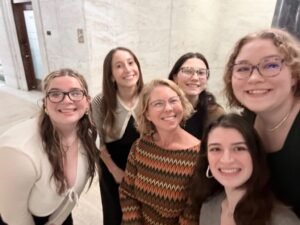 WVEC lobbyist smiles for a photo with past and present Concord University interns. Hi {contact.email_greeting}, The halls of the Capitol were buzzing with energy on Monday as West Virginians from around the state came together to uplift and celebrate environmental policy. Thank you to all of the groups who came to the Capitol to be part of WVEC’s 36th annual E-day! We celebrated the work of Tucker United, From Below, Ohio Valley Mutual Aid, Mingo County Community Advocates, and Mason County Community Advocates — all of whom have played a critical role in the environmental movement. From flood recovery to the fight against hyperscale data centers, these groups have organized change in their communities. West Virginia is a better place because of their work. 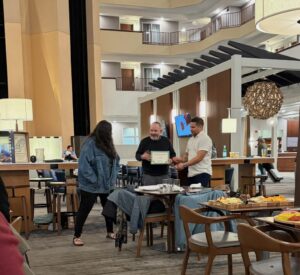 Reverend Brad Davis and Reverend Caitlin Ware accept the E-Day Movement Award from WVEC President Quenton King. These groups were honored with certificates the night before E-Day at the first E-Day Eve. WVEC member organizations, board members, and others gathered for a casual evening before the big day. At 7 p.m., all of us gathered together to watch CBS’s 60 Minutes coverage of the water crisis in the southern coalfields. In 1972, a different kind of water crisis took hold in the southern coalfields. On the morning of February 26, 1972, a coal waste dam collapsed on the Middle Fork of Buffalo Creek in Logan County, West Virginia. Hundreds of millions of gallons of water, coal refuse, and silt poured down the mountain, flooding Saunders, Pardee, Lorado, Craneco, Lundale, Stowe, Crites, Latrobe, Robinette, Amherstdale, Becco, Fanco, Riley Braeholm, Accoville, Crown, and Kistler. Thousands of West Virginians lost their homes and belongings. More than one thousand were injured or lost their life. The region was devastated due to the improper construction of the coal dams by The Pittston Company. 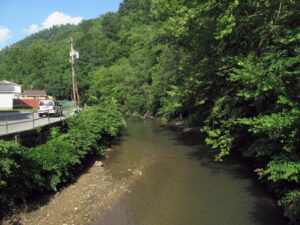 Buffalo Creek is a tributary of the Guyandotte and Ohio rivers. The tributary is photographed running through Man, WV, in 2010. Photo taken by Tim Kiser. 54 years later we’re reminded of the need for protections against disasters. While disasters might not always be preventable, communities can be better prepared when they happen. Disaster preparedness and prevention is the foundation of flood resilience. West Virginians have known the devastation of flooding too many times, but lawmakers and leaders can take action to better protect their neighbors and themselves. We need more than earlier notice. Lawmakers and leaders must invest in the Flood Resiliency Trust Fund to enable tiered approaches to flood resiliency. Although the House approved a $25 million investment in the fund yesterday, the Senate still has to approve the allocation. Consider contacting your Senators to urge them to support the allocation. Our lobbyists continue to fight for issues that impact every West Virginian, including investments in flood resiliency. Help support our work by subscribing to and sharing our newsletter with friends and family, joining an environmental group near you, and donating to keep the fight going. We all have a role to play. What will yours be? Click an article title or thumbnail image to read the full article (text below is only an excerpt). |
|||||||||||
|
|
|||||||||||