By Anna N. Saab, WVEC Communications Coordinator
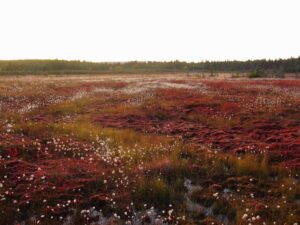
Marsh lands in Dolly Sods are an important part of our state’s environmental resiliency. Photo taken from the Nature Photographer Team at forestwander.com.
Monday wasn’t just Groundhog Day, it was also World Wetlands Day. Every year on February 2, wetlands get their moment in the sun as people around the globe come together to recognize the importance of this ecosystem. They’re the foundation for climate resilience.
Marshes, bogs, fens, and swamps are all different types of wetlands. They’re home to a diverse mix of flora and fauna, including water lilies, cordgrass, willows, frogs, turtles, and so much more. Other species use wetlands as an important temporary or supplemental environment for feeding and nesting. These ecosystems are even crucial to the wellbeing of creatures outside their reach.
Wetlands play a key role in mitigating carbon pollution, storing at least twice as much carbon as forests. Not only can they store more carbon than tropical forests, but they can absorb the carbon up to three times faster. But these ecosystems don’t just remove carbon from the atmosphere. They can also help reduce flooding.
Vegetation can slow the speed of floodwaters, and the ecosystems have serious storage capability—just one acre can store a million gallons of water! They also serve as a powerful filtration system for freshwater supplies. These natural wonders are a critical resource to communities all over the world, including in West Virginia.
Sadly, wetlands are deteriorating at three times the rate of forests—posing a serious risk to the planet. West Virginia alone has lost 80-90% of its wetlands. Learning more about local wetlands and how you can protect them is an important part of conservation. The West Virginia Department of Environmental Protection (DEP) has a series of videos highlighting 12 wetlands around the state, such as the Wolf Creek Wetland in Fayetteville and the Cranberry Glades in Pocahontas Conty. DEP also has a program for residents who are interested in learning more about and monitoring vernal pools. The next opportunity is a virtual training on February 19, from 10 a.m. to 1 p.m. EST.
There are so many ways to fight for the environment. Education is a stepping stone. Follow WVEC on Facebook, Instagram, and X to learn more about how you can be a better environmental advocate in West Virginia.